

How Thoughtful Design Enhances Your Home’s Value
When people think about increasing the value of their home, they often focus on finishes, square footage, or the latest design trends. While those factors certainly play a role, the true value of a home begins much earlier—with thoughtful design.
As a licensed architect and founder of Lemberg Architecture, I spend a great deal of time studying homes throughout the Charlotte area. Charlotte has many beautiful neighborhoods filled with impressive residences, and I genuinely admire many of the homes that have been built here. However, I also encounter houses that suffer from significant design shortcomings. These issues are not simply matters of personal taste or architectural style. They are technical problems that can lead to premature deterioration, costly repairs, construction inefficiencies, and long-term frustration for homeowners.
Design Quality Goes Beyond Appearance
A well-designed home should do more than look attractive from the street. It should function efficiently, respond appropriately to the site, protect itself from weather, and support the lifestyle of its occupants.
For example, Charlotte's climate presents unique challenges. Our region experiences high humidity, intense summer heat, frequent rain events, and occasional freezing temperatures during winter. Homes that are designed without careful attention to roof drainage, flashing details, water management, and building envelope performance often develop problems years before they should.
I have seen houses with unnecessarily complex roof configurations that create water collection points, improperly detailed exterior transitions that allow moisture intrusion, and poorly coordinated mechanical systems that become difficult and expensive to maintain. These issues may not be obvious when the home is new, but they can significantly impact long-term ownership costs.
Thoughtful design anticipates these challenges and addresses them before construction even begins.
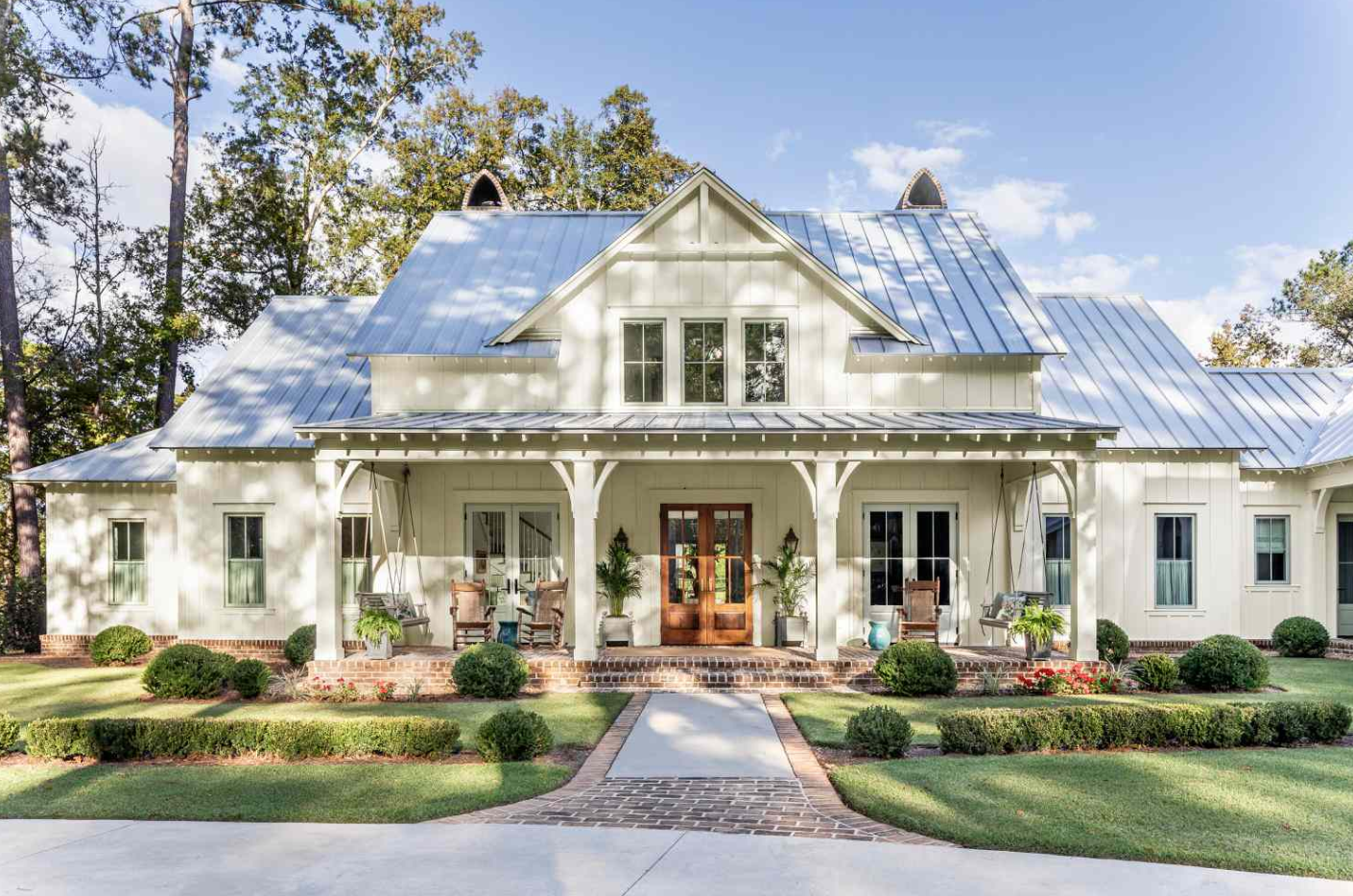
Good Design Saves Money During Construction
Many homeowners assume that hiring an architect adds cost to a project. In reality, thoughtful design often saves money throughout the construction process.
When construction documents are thoroughly coordinated, contractors spend less time interpreting drawings, resolving conflicts, and making assumptions in the field. Structural systems, mechanical equipment, window locations, roof framing, and exterior materials work together as an integrated solution rather than a collection of independent decisions.
The result is fewer change orders, fewer delays, and a more predictable construction budget.
One of the biggest differences between homes designed for affluent clients and typical production homes is not necessarily the size of the budget. In my opinion, the primary difference is the level of detail and coordination invested in the design process.
High-end custom homes are often carefully studied and refined. Every window alignment, roof transition, material joint, and construction detail is considered. This attention to detail creates homes that not only look better but also perform better over time.
